Table of Contents
ToggleHazy windshields and streaky side windows aren’t just annoying, they’re legitimately dangerous. Glare from a dirty windshield can obscure oncoming headlights, lane markers, and pedestrians, especially at night or in harsh sunlight. Yet most folks treat car glass like an afterthought, swiping it down with whatever spray bottle’s under the sink. The right automotive glass cleaner, paired with proper technique, makes the difference between squinting through smudges and driving with crystal-clear visibility. This guide walks through everything needed to pick the best auto glass cleaner, use it correctly, and dodge the common mistakes that leave streaks behind.
Key Takeaways
- Auto glass cleaner specifically formulated for vehicles cuts through road film and contaminants more effectively than household sprays while protecting tinted windows from ammonia damage.
- Using a dedicated microfiber towel, applying minimal product, and wiping in straight lines ensures streak-free results that household cleaning methods rarely achieve.
- Ammonia-free auto glass cleaner formulas are safer for tinted or factory-tinted windows, while ammonia-based cleaners work faster on heavy buildup but risk discoloration over time.
- Homemade glass cleaner recipes using distilled water, rubbing alcohol, and white vinegar deliver solid results at a fraction of the cost of store-bought products.
- Cleaning in shade with cool glass, tackling wiper blades simultaneously, and focusing on often-missed edges prevents streaks and extends the life of your windshield and wiper blades.
- The most common mistakes—using contaminated towels, cleaning in direct sunlight, and overapplying product—are easily avoided with proper technique and dedicated glass-cleaning tools.
Why Regular Auto Glass Cleaner Matters for Your Vehicle
Auto glass takes a beating that household windows never see. Road film, a grimy cocktail of exhaust residue, brake dust, tire rubber particulates, and bug splatter, clings to windshields and builds up fast, especially on highways. Interior surfaces collect oily residue from dashboard off-gassing, fingerprints, and cigarette smoke (if anyone’s lit up inside). Over time, this film doesn’t just look bad: it scatters light, creating glare that makes night driving genuinely hazardous.
Using a dedicated car glass cleaner tackles these contaminants more effectively than generic household sprays. Automotive formulas are engineered to cut through road film without leaving residue or damaging tinted windows, a real concern with ammonia-heavy household products. Tinted glass, common on rear and side windows, can discolor or bubble when exposed to ammonia over time. A quality glass cleaner for cars skips the harsh stuff or uses ammonia-free alternatives that won’t compromise window film or factory tint.
Regular cleaning also extends wiper blade life. When windshields are clean, blades glide smoothly instead of dragging across grit and grime, which tears rubber and causes streaking. Clean glass means better visibility, safer driving, and fewer replacements down the line, a small maintenance step that pays off every time the wipers kick on during a downpour.
Types of Auto Glass Cleaners: Which Formula Is Right for You?
Walk into any auto parts store and the glass cleaner aisle sprawls out like a chemistry lab. Aerosol foams, trigger sprays, concentrates, wipes, each format has its place. Aerosol foam cleaners cling to vertical glass without dripping, making them ideal for windshields and rear windows. The foam sits long enough to dissolve stubborn film, then wipes off with minimal effort. Trigger sprays offer more control and work well for quick touch-ups on side windows. Pre-moistened wipes are convenient for glove-box emergencies but tend to leave more lint and aren’t economical for regular use.
Concentrates deserve a mention for anyone maintaining a fleet or just tired of buying single-use bottles. Mix a capful with water in a reusable spray bottle, and one jug lasts months. They’re the budget-friendly, low-waste option, though measuring and mixing adds a step most DIYers skip.
Ammonia-Based vs. Ammonia-Free Cleaners
This split defines the best auto glass cleaner debate. Ammonia-based formulas cut through grease and road film fast, ammonia is a powerful solvent that evaporates quickly, reducing streaks. It’s the workhorse ingredient in many top-shelf products and the reason some cleaners smell like a high school chemistry class. But, ammonia attacks tinted windows, causing discoloration, bubbling, or peeling over time. If the vehicle has aftermarket tint or factory-tinted glass (check the rear and side windows), ammonia-free is non-negotiable.
Ammonia-free cleaners rely on alcohol, surfactants, or citrus-based solvents to dissolve grime. They’re gentler on tint, plastics, and rubber seals, and they don’t emit harsh fumes, a real plus when working inside a closed cabin. The trade-off? They sometimes require a bit more elbow grease or a second pass on heavy buildup. For most DIYers, especially those with tinted glass, ammonia-free is the safer, smarter pick. Brands often label this clearly on the bottle, so it’s easy to spot on the shelf.
How to Use Auto Glass Cleaner Like a Pro
Technique matters more than the product. The best windshield glass cleaner in the world won’t deliver streak-free results if applied wrong. Start by parking in the shade or a garage, direct sunlight causes cleaner to dry too fast, leaving streaks and residue. Work on cool glass: if the car’s been sitting in the sun, wait 10 minutes or run the AC to bring the temperature down.
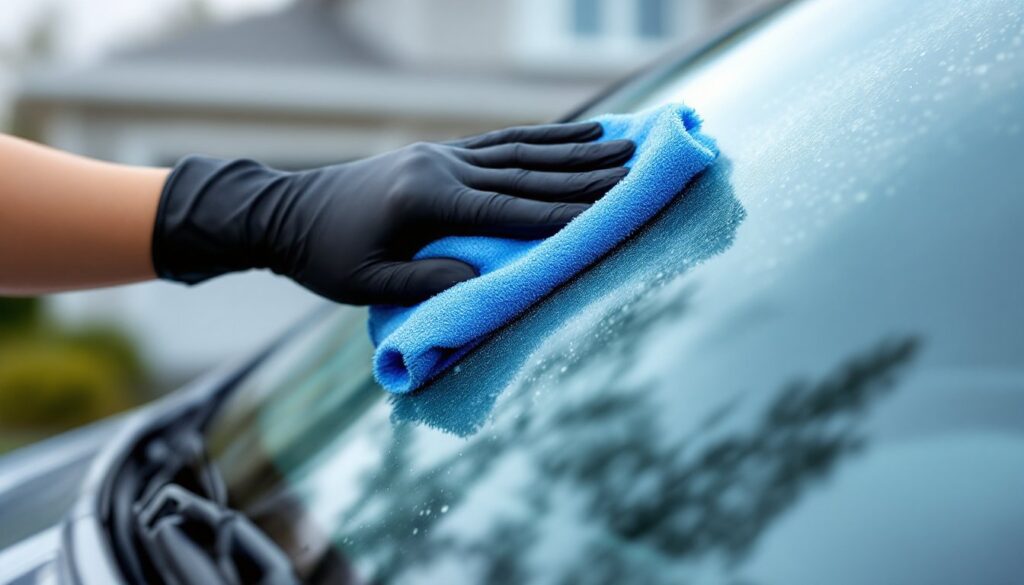
Spray the cleaner onto a microfiber towel first, not directly onto the glass. This prevents overspray from hitting the dashboard, which can leave spots on vinyl or leather. For interiors, fold the towel into quarters to create multiple clean surfaces as each side gets dirty. Wipe in straight lines, up and down on the inside, side to side on the outside, so if streaks appear, it’s easy to tell which surface needs a second pass. Circular motions just push dirt around and often leave swirl marks.
For the windshield, tilt the seat back or kneel on it to reach the top corners where grime hides. Road film accumulates heaviest at the base of the windshield near the wipers and along the top edge where air currents deposit exhaust residue. These spots need extra attention. If the towel starts leaving lint or streaks, flip to a clean section or grab a fresh one. Deep cleaning a car interior includes tackling these often-missed zones, and clean glass makes the whole cabin feel renewed.
Best Practices for Streak-Free Results
Streak-free glass comes down to three things: the right towel, the right amount of product, and proper buffing. Microfiber towels are the gold standard, they’re lint-free, absorbent, and won’t scratch glass. Avoid paper towels: they leave behind fibers and don’t absorb cleaner well, which causes streaking. For a pro finish, keep two towels on hand: one for applying cleaner, one for buffing dry.
Less is more with glass cleaner for car applications. Over-saturating the towel or glass leads to excess product that’s hard to buff out, leaving streaks and residue. A few spritzes on the towel are enough for a full windshield. After wiping, immediately buff with a dry microfiber in straight lines. This final pass removes any remaining moisture and product film, leaving glass crystal clear.
Tackle the exterior first, then the interior. Outside glass picks up the worst grime, and working inside-out prevents tracking dirt back onto clean surfaces. For side windows, roll them down an inch to clean the top edge, which collects dust and grime that gets dragged down every time the window moves. It’s a small step that prevents mystery streaks from appearing a day after cleaning.
DIY Auto Glass Cleaner Recipes You Can Make at Home
Store-bought best car glass cleaner products work great, but homemade formulas deliver solid results for a fraction of the cost. The classic DIY recipe mixes 1 cup of distilled water, 1 cup of rubbing alcohol (isopropyl, 70% or higher), and 1 tablespoon of white vinegar in a spray bottle. The alcohol cuts grease and evaporates quickly to prevent streaks, while vinegar dissolves mineral deposits and road film. Distilled water matters, tap water contains minerals that leave spots as it dries.
For a gentler version safe for tinted windows, skip the vinegar and use 2 cups of distilled water, 1/2 cup of rubbing alcohol, and a few drops of dish soap. The soap acts as a surfactant, breaking down oily residue without harsh solvents. Shake gently before each use to mix the soap evenly, and don’t overdo it, too much soap leaves a film that’s hard to buff out.
Another option borrows from household cleaning hacks: combine 1 cup of water, 1/4 cup of white vinegar, and 1/4 cup of lemon juice for a citrus-powered cleaner that smells better than chemical sprays. Lemon juice adds natural degreasing power and leaves a fresh scent, though it’s not as streak-resistant as alcohol-based formulas. This works best for light cleaning or touch-ups between heavier sessions.
All DIY cleaners should be stored in a labeled spray bottle away from direct sunlight. Homemade formulas don’t contain preservatives, so they’re best used within a few weeks. Test any new recipe on a small, inconspicuous spot first, especially on tinted glass, to make sure it doesn’t cause discoloration or streaking.
Common Mistakes to Avoid When Cleaning Auto Glass
The biggest mistake? Using the same towel for glass and the rest of the car. A towel that’s wiped down the dashboard or door panels is contaminated with oils, waxes, and dirt that’ll streak across glass no matter how much cleaner gets sprayed. Keep dedicated glass-only microfiber towels, and wash them separately from other car-care rags to prevent cross-contamination.
Cleaning in direct sunlight ranks second. Heat causes cleaner to evaporate before it can be buffed, leaving behind dried residue that’s harder to remove than the original dirt. Always work in shade or a garage, and if the glass feels warm to the touch, wait. This small patience pays off in streak-free results.
Using too much product is another common trap. More spray doesn’t mean cleaner glass, it just means more liquid to wipe off, which often dries unevenly and leaves streaks. A light, even application is all that’s needed. If streaks appear, the problem is usually technique (circular wiping, dirty towel) or too much product, not too little.
Neglecting the wiper blades while cleaning glass is like mopping a floor with a dirty mop. Wiper blades collect the same road film and grime as the windshield, and they’ll smear it right back across freshly cleaned glass the first time it rains. Wipe down the rubber edge of each blade with a damp cloth during every glass-cleaning session. Cleaning techniques for specific materials often emphasize this kind of detail work, small steps that prevent bigger headaches.
Finally, skipping the edges and corners leaves grime to creep back across the glass. Dirt hides in the gap between the windshield and dashboard, along the rubber seals, and in the top corners. A quick pass with a folded microfiber towel or a detailing brush flushes out these deposits and keeps glass cleaner longer. It’s the difference between a quick wipe-down and a thorough cleaning that actually lasts.