Table of Contents
ToggleSub-Zero refrigerators have long been the gold standard for high-end kitchens, but deciding whether to invest in one, and which model fits your renovation, requires more than browsing showroom photos. These appliances represent a serious financial commitment, often requiring custom cabinetry, electrical upgrades, and careful spatial planning. Whether you’re gutting a kitchen down to the studs or replacing a worn-out appliance, understanding what separates a Sub-Zero from standard refrigeration, and how different models fit various layouts, will help you make a choice that works for both your budget and your home’s infrastructure.
Key Takeaways
- Sub-Zero refrigerators use dual independent compressors that maintain separate temperature and humidity zones, keeping produce fresher longer and preventing freezer burn compared to single-compressor designs.
- A sub-zero refrigerator requires careful planning for electrical (dedicated 15-20 amp circuits), ventilation (1-inch clearance), water lines, and structural considerations before installation begins.
- The sub-zero 42 inch refrigerator and 48 inch models typically cost $11,000–$16,000 plus $3,000–$4,000 for installation, panels, and upgrades, but homes recoup 60–70% of the investment through improved resale value.
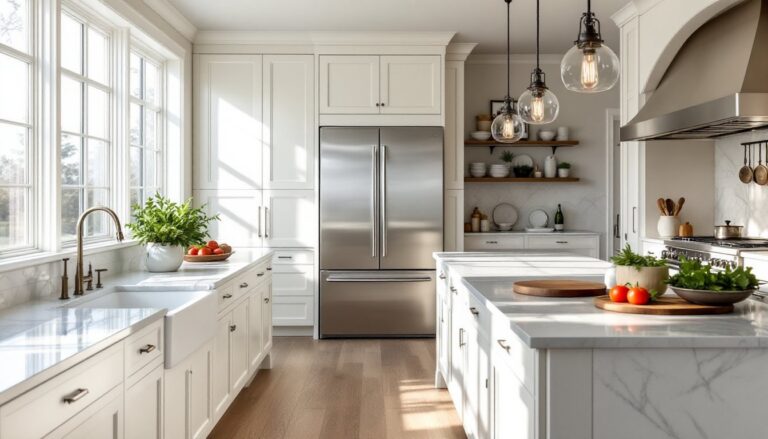
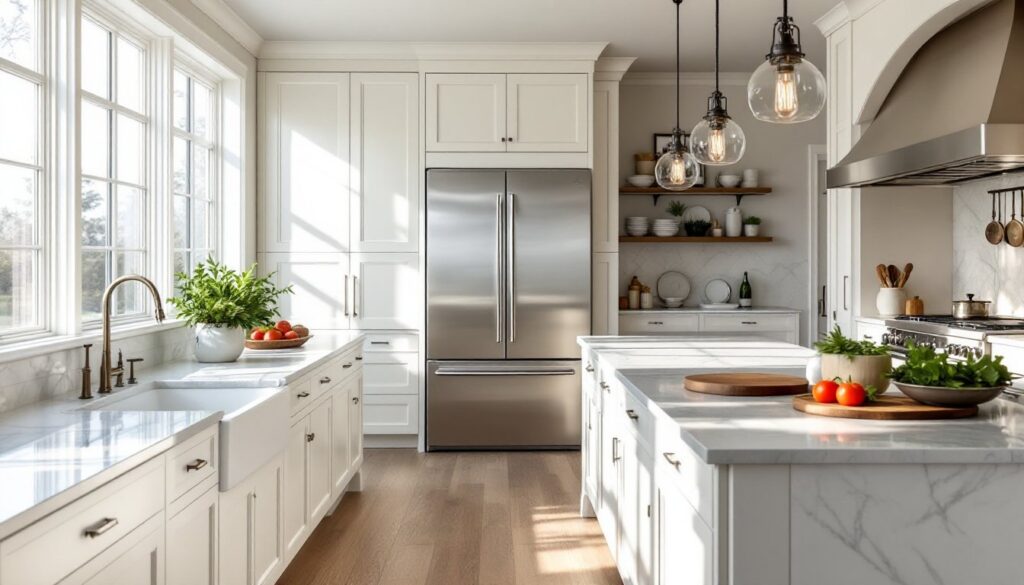
- Built-in Sub-Zero models integrate seamlessly with custom cabinetry, a visual advantage that appeals to luxury home buyers and designers, making them popular for high-end kitchen renovations.
- NASA-developed air purification technology in every Sub-Zero unit neutralizes ethylene gas and odors every 20 minutes, extending shelf life and reducing mystery kitchen smells.
- Column refrigerators and counter-depth configurations offer flexibility for open-plan kitchens and space-constrained layouts, though they require architectural planning to match your kitchen’s workflow and design.
What Is a Sub Zero Refrigerator and Why Is It So Popular?
Sub-Zero is a Wisconsin-based manufacturer that’s been building premium refrigeration since 1945, initially focusing on commercial-grade freezers before moving into residential markets. Unlike mass-market appliances, every Sub-Zero refrigerator uses separate compressors for the fridge and freezer compartments, a feature borrowed from commercial kitchens that keeps food fresher longer by maintaining precise humidity and temperature zones.
The brand’s reputation rests on three pillars: longevity (many units run 20+ years with routine maintenance), preservation technology, and integration with high-end cabinetry. Builders and designers favor them for custom kitchens because the sub zero built in refrigerator models accept custom panels that match surrounding cabinets, creating a seamless look that’s impossible with freestanding units. That visual integration, combined with performance that outpaces standard appliances, explains why they dominate luxury renovations.
But popularity also stems from resale value. Real estate agents consistently note that homes with Sub-Zero appliances command higher asking prices and sell faster in competitive markets, particularly in urban areas where kitchen quality drives buyer decisions. For homeowners planning to sell within a decade, that premium often offsets the initial investment.
Key Features That Set Sub Zero Refrigerators Apart
Dual Refrigeration System
Most refrigerators use a single compressor and share air between the fridge and freezer through vents, a design that causes freezer burn and dries out produce. Sub-Zero’s dual-compressor setup runs independent cooling loops, each calibrated for optimal performance. The refrigerator section maintains 38°F with higher humidity (around 80%), while the freezer stays at 0°F with dry air to prevent ice crystals.
This separation eliminates odor transfer (no more onion-scented ice cream) and extends shelf life measurably. Leafy greens stay crisp for 10-14 days instead of wilting after a week, and meats don’t develop surface oxidation as quickly. The tradeoff? More mechanical components mean higher repair costs if something fails, though Sub-Zero’s service network is extensive. If you’re keeping produce from a CSA box or buying proteins in bulk, the preservation gains justify the complexity.
Air Purification Technology
Every Sub-Zero unit includes a NASA-developed air purification system that scrubs the interior atmosphere every 20 minutes. The system uses activated charcoal and antimicrobial filters to neutralize ethylene gas (which accelerates ripening), airborne bacteria, mold spores, and volatile organic compounds from packaging.
In practical terms, this means leftovers don’t develop off-flavors as quickly, and you’re not battling mystery smells that require baking soda boxes. The filters need replacing annually, part of routine maintenance, but homeowners report noticeably cleaner interiors compared to standard fridges. For families with immune-compromised members or anyone serious about food safety, this feature alone separates Sub-Zero from competitors. Many built-in refrigerators now incorporate similar filtration, but Sub-Zero’s system has the longest track record.
How to Choose the Right Sub Zero Model for Your Kitchen
Start by measuring your cabinet opening width and depth, not just the old appliance. Sub zero 42 inch refrigerator models fit standard luxury kitchen layouts, but if you’re working with a galley kitchen or older home, a 36-inch model might be your only option without reworking cabinetry. For serious cooks or large families, the sub zero 48 inch refrigerator offers maximum capacity (30+ cubic feet) but requires a wider run of cabinets and often needs a dedicated 20-amp circuit.
Configuration matters as much as size. The sub zero side by side refrigerator layout provides eye-level access to both fresh and frozen items, making it easier to organize and rotate stock. This works well for households that freeze prepared meals or buy in bulk. French-door models (fridge on top, freezer drawer below) maximize fresh food capacity and suit kitchens where counter prep flows to the fridge, you’re not blocking the aisle every time you grab vegetables.
Consider depth carefully. Standard refrigerators protrude 6-8 inches past counter edges, while sub zero built in refrigerator units mount flush with 24-inch-deep cabinetry. Counter-depth models sacrifice 2-4 cubic feet of capacity but deliver that clean, integrated look designers prefer. If your kitchen remodel includes custom cabinetry, flush-mount installation makes the most visual sense.
Column refrigerators, separate fridge and freezer units installed side-by-side, offer maximum flexibility. You can place a 30-inch fridge near the range and a 18-inch freezer by the pantry, or spec two 24-inch columns for symmetry. This configuration costs more upfront but works brilliantly in open-plan kitchens where appliances need to blend into the architecture.
Sub Zero Refrigerator Cost: What to Expect and Budget For
Sub zero refrigerator prices 48 inch models typically run $12,000-$16,000 for the appliance alone, before installation or panels. A 36-inch built-in starts around $9,000, while the sub zero 42 inch refrigerator sits in the $11,000-$14,000 range. Column units add up quickly if you’re buying separate fridge and freezer, expect $8,000-$10,000 per column.
Those figures reflect base units with stainless steel doors. Custom panel-ready models cost $500-$1,000 more but require additional expense: cabinetry panels run $800-$2,500 depending on wood species and finish complexity, and your cabinet maker will charge $300-$600 for fabrication and hardware installation.
Installation isn’t a DIY job. Budget $500-$1,200 for professional installation, which includes leveling, electrical hookup, and water line connection (if your model has ice/water). If your electrical panel can’t support the additional load, common in homes built before 1990, you’re looking at $400-$800 for a new circuit run from the panel to the kitchen. Add another $200-$400 if you need a plumber to relocate or upgrade the water supply line.
Extended warranties deserve consideration. Sub-Zero includes a 2-year full warranty plus 5 years on sealed refrigeration systems, but third-party service contracts run $300-$500 annually and cover parts/labor beyond factory coverage. Given that compressor replacement costs $1,500-$2,000, many homeowners opt for coverage.
Total project cost for a mid-range installation (42-inch built-in with panels) typically lands around $14,000-$18,000 all-in. For context, that’s 3-4 times the cost of a high-end Samsung or LG, but resale data shows homes recoup 60-70% of that investment in markets where luxury finishes command premiums.
Installation Considerations for Your Home Renovation
Electrical requirements come first. Sub-Zero units require dedicated 15-amp or 20-amp circuits (check your model’s spec sheet), and code requires GFCI protection in most jurisdictions. If you’re installing a zero refrigerator as part of a full kitchen remodel, have your electrician run the circuit before drywall goes up, fishing wire through finished walls costs significantly more. Verify that your panel has available slots: older 100-amp panels may need upgrading to 200-amp service to handle modern appliance loads.
Ventilation clearances are non-negotiable. Built-in models need 1 inch of space above the unit and proper airflow at the toe-kick grille. Blocking ventilation causes compressors to overheat and fail prematurely, a costly repair that voids warranties. If you’re boxing in the unit with custom cabinetry, ensure the cabinet maker follows Sub-Zero’s installation guide for grille placement and duct routing.
Floor load capacity matters for larger units. A fully stocked sub zero 48 inch refrigerator weighs 900-1,100 pounds. Standard residential floor joists (2×10 at 16-inch spacing) handle this fine, but if you’re placing the unit over a basement or crawl space with modified framing, have a structural engineer verify capacity. In older homes with questionable floor systems, adding a sister joist or blocking under the installation point costs $200-$400 but prevents sagging.
Water line installation requires a ¼-inch copper or braided stainless line run from a shutoff valve. Many plumbers prefer installing a dual-outlet valve (around $50) so you can shut off the fridge without killing water to the whole kitchen. Avoid plastic tubing, it cracks over time and causes leaks that damage flooring and cabinetry.
Timing coordination is critical during renovations. Sub-Zero recommends installing units after drywall, paint, and flooring are complete to avoid construction dust infiltrating the cooling system. Protect the appliance with cardboard and plastic if tradespeople are still working nearby. Most designers schedule delivery and installation during the final week of a kitchen remodel, after countertops are templated but before final plumbing and electrical inspections.
One often-overlooked detail: doorway width. A 48-inch refrigerator in its crate measures 52+ inches wide. Verify that the appliance can physically reach the kitchen through hallways, stairwells, and entry doors. Some models break down for tight spaces, but you’ll need the delivery crew aware of access issues before they arrive. In historic homes with narrow doorways, this sometimes means removing door casings temporarily or hiring rigging specialists with appliance dollies and moving straps.
Safety gear: When assisting with positioning during installation, wear steel-toe boots and work gloves. These units are heavy enough to cause serious injury if they shift unexpectedly. Let professionals handle the final placement and leveling, Sub-Zero’s adjustable legs require precise calibration for door alignment and proper drainage.