Table of Contents
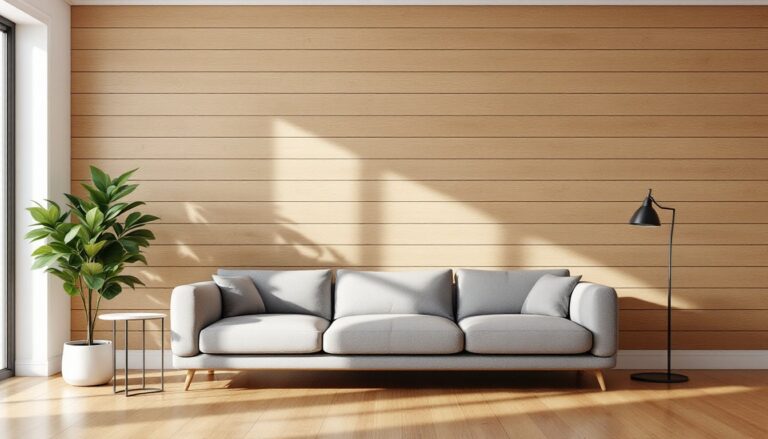
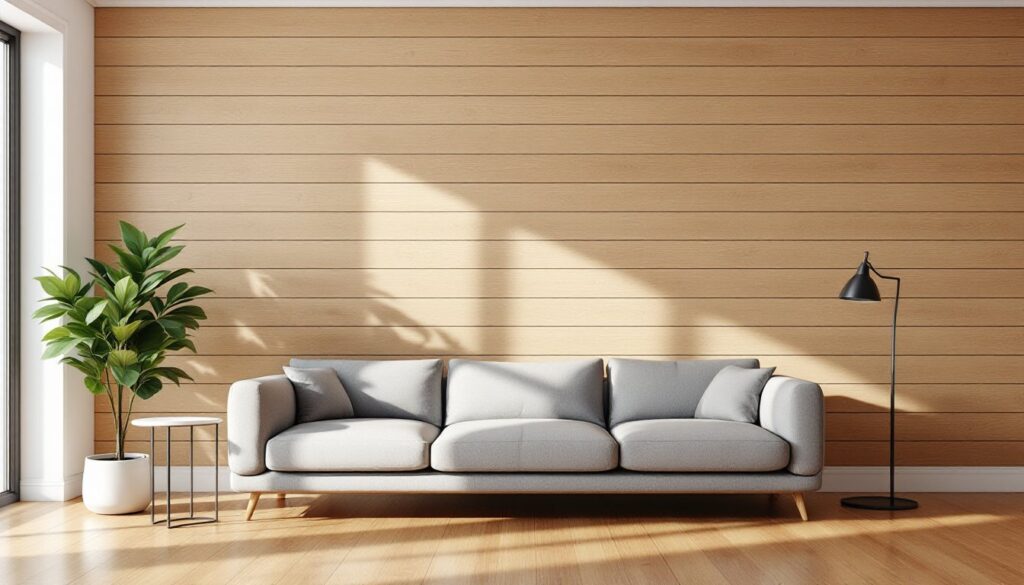
ToggleA wood panel accent wall can completely shift the character of a room, adding depth, texture, and warmth without painting every surface or ripping out drywall. Whether it’s a bedroom that needs cozier vibes or a living room craving a focal point, wooden wall decor panels do the heavy lifting. The beauty is in the range: from crisp white shiplap that lightens things up to reclaimed barn wood with decades of patina. And here’s the good news: installing wood panels for accent wall projects is squarely in the DIY-capable zone. Most installations require only basic carpentry skills and tools you probably already own.
Key Takeaways
- A wood panel accent wall adds depth, texture, and warmth to any room while remaining a DIY-friendly project requiring only basic carpentry skills and tools.
- Wood panel accent walls work across all design styles and offer built-in visual interest through grain, knots, and color variation that paint cannot replicate, plus they provide sound dampening and hide imperfect wall surfaces.
- Shiplap and tongue-and-groove are ideal for beginners due to straightforward installation, while reclaimed wood requires extra prep work but delivers one-of-a-kind character—budget 25-30% more time for salvaged materials.
- Proper installation requires measuring the wall in multiple places, acclimating wood for 48-72 hours, planning your layout to avoid thin slivers, and nailing only into studs for solid attachment.
- Staining, painting, and sealing with polyurethane protect your wood panels from moisture and fading while dramatically changing the final aesthetic—test finishes on scrap wood first to ensure the desired result.
- Unlike wallpaper or temporary options, quality wood panels last decades with minimal maintenance and actually increase resale appeal, making a wood panel accent wall a lasting investment in your home’s value and design.
Why Wood Panel Accent Walls Are a Timeless Design Choice
Wood accent wall panels work across almost every design style, modern farmhouse, mid-century, industrial, Scandinavian minimalist, because real wood carries inherent character that paint can’t replicate. The grain, knots, and color variation give you built-in visual interest. It’s forgiving, too. Minor imperfections in the wall behind it? Covered. Need to hide old paneling or textured drywall you don’t want to deal with? Wood wall panel decor sits right over it with minimal surface prep.
From a practical standpoint, wood paneling accent wall installations add a layer of sound dampening. Not soundproofing, don’t expect miracles, but enough to take the edge off echoes in rooms with hard flooring and minimal soft furnishings. If you’re working with older homes where wall surfaces are less than perfect, accent wall wood panels can be your shortcut to a polished look without the full demo-and-replaster dance.
Unlike wallpaper or peel-and-stick options, real wood holds up. It doesn’t peel at the seams, fade under UV, or look dated after three years. Solid wood or quality engineered panels can last decades with zero maintenance beyond the occasional dusting. And if you move? A well-executed wood wall accent panels installation actually adds to resale appeal, buyers consistently respond to visible craftsmanship and natural materials.
Choosing the Right Wood Paneling Style for Your Space
The style you pick dictates your material list, cut list, and installation method. Don’t choose based on aesthetics alone, consider your skill level, budget, and how forgiving the pattern is during install.
Shiplap and Tongue-and-Groove Options
Shiplap has a rabbet (groove) cut along the top and bottom edges, creating that signature shadow line when boards overlap. It’s the go-to for clean, horizontal lines and works beautifully painted or stained. You’ll find it in nominal 1×6 or 1×8 pine, which actually measures about 3/4″ thick by 5.5″ or 7.25″ wide after milling. Installation is straightforward: nail through the face or use a brad nailer at the tongue if you want hidden fasteners.
Tongue-and-groove (T&G) panels interlock without visible gaps. Each board has a protruding tongue on one edge and a matching groove on the other. This style is ideal for vertical installations and gives you a tighter, more seamless look. Cedar and pine T&G are most common, sold in bundles that cover a specified square footage (check the label, coverage varies with board width). The interlocking design makes it slightly more forgiving if your walls aren’t perfectly plumb.
Both styles are available in prefinished or raw. Prefinished saves time but limits customization. Raw wood lets you stain or paint to match exactly what you’re after, but expect to add a day or two for finishing before install.
Reclaimed Wood and Rustic Finishes
Reclaimed wood brings history, actual nail holes, saw marks, weathering, and color shifts you can’t fake. Sourced from old barns, factories, or shipping pallets (clean, heat-treated pallets only, avoid any stamped “MB” for methyl bromide), reclaimed boards give you one-of-a-kind wooden panel wall decor. Building with reclaimed materials offers character but requires extra prep: denailing, planing uneven surfaces, and checking for rot or insect damage.
Thickness and width will vary wildly with reclaimed stock, so plan for shimming and scribing. You’ll likely need a table saw or circular saw with a straightedge guide to rip boards to consistent widths. A planer or belt sander helps flatten cupped or twisted pieces. Because dimensions are inconsistent, reclaimed installs take longer, budget an extra 25-30% in time compared to milled shiplap.
Rustic doesn’t always mean reclaimed. You can buy new rough-sawn pine or cedar with a textured surface that mimics aged wood. It’s cheaper, dimensionally consistent, and avoids the wildcard issues of salvaged lumber. For a weathered gray finish on new wood, skip the stain and use a DIY mixture of steel wool soaked in white vinegar, applied after the wood dries. It reacts with tannins in the wood to create that driftwood patina.
Step-by-Step Guide to Installing a Wood Panel Accent Wall
Before you buy a single board, measure the wall’s width and height in at least three places. Walls are rarely perfectly square. Use the largest measurements for your material estimate, then add 10% for waste, cuts, mistakes, and those weird angles around outlets happen.
Materials you’ll need:
- Wood panels (shiplap, T&G, or your chosen style)
- Construction adhesive (PL Premium or equivalent)
- 1.5″ to 2″ brad nails or finish nails
- Stud finder
- Level (4-foot minimum)
- Miter saw or circular saw
- Brad nailer (or hammer and nail set for hand-nailing)
- Tape measure, pencil, safety glasses, and hearing protection
Step 1: Locate and mark studs. Use a stud finder and mark each stud location with painter’s tape from floor to ceiling. Standard stud spacing is 16″ on center, but don’t assume, verify every one. You’ll be nailing into these for solid attachment.
Step 2: Acclimate the wood. Stack your boards in the room where they’ll be installed for 48-72 hours. Wood expands and contracts with humidity changes. Skipping acclimation means you might see gaps or buckling after install.
Step 3: Plan your layout. Decide if you’re running boards horizontally, vertically, or in a pattern (herringbone, chevron). Horizontal is easiest for beginners. Measure the wall height and divide by your board width to see how many courses you’ll need. Adjust starting height so you don’t end with a tiny sliver at the top or bottom, better to rip the first or last board to a slightly wider or narrower dimension.
Step 4: Cut and test-fit the first board. Measure, mark, and cut your first piece. Hold it in place and check with a level. If your floor or ceiling is out of level (common in older homes), scribe the bottom board to match the floor line using a compass tool, then cut along the scribed line.
Step 5: Install the first course. Apply a bead of construction adhesive to the back of the board, then press it to the wall. Nail into each stud with your brad nailer, aim for the top edge if you’re going horizontal, so the next board’s rabbet or tongue covers the nail holes. If face-nailing, countersink slightly and fill with wood putty later.
Step 6: Continue up (or across) the wall. Fit the next board’s groove or rabbet over the previous one. Check level every 3-4 courses to catch any drift before it compounds. Stagger seams if you’re using boards shorter than the wall width, avoid lining up joints, which looks amateurish and weakens the install. Many project plans and layout tips help visualize seam placement for professional results.
Step 7: Cut around outlets and switches. Measure from the edge of the last installed board to the center of the outlet, then from the floor (or last horizontal board) to the center. Transfer those measurements to your new board, marking the outlet box outline. Use a jigsaw to cut the opening. Turn off power at the breaker before fitting panels around electrical boxes. You may need to add box extenders if the new paneling makes the box recessed more than 1/4″ beyond the finished wall surface, code requires the box edge to be flush with combustible surfaces.
Step 8: Finish the top and edges. Install trim or molding along the top, bottom, and sides to cover any gaps and give a clean border. Caulk small gaps with paintable latex caulk if you’re painting: skip caulk if you’re staining, as it won’t take stain and shows as a white line.
Finishing Touches: Staining, Painting, and Sealing Your Wood Panels
Raw wood needs a finish, not just for looks, but to protect against moisture, UV fading, and everyday wear. The finish you choose changes the entire vibe of the wood wall decor panels.
Staining brings out grain and adds color while keeping the wood texture visible. Oil-based stains penetrate deeper and offer richer tones, but they smell and take longer to dry. Water-based stains dry fast, have low VOCs, and clean up with soap and water, but they can raise the grain, sand lightly with 220-grit sandpaper after the first coat dries. Apply stain with a foam brush or rag, wipe off excess within a few minutes, and let it cure per the label (usually 4-8 hours between coats). Two coats give you more even color.
Painting gives you unlimited color options and hides imperfections in lower-grade wood. Prime first with a stain-blocking primer if you’re using knotty pine or reclaimed wood, knots bleed tannins through paint. Use a small foam roller for flat surfaces and a brush for grooves and edges. Two coats of satin or eggshell interior paint are standard. Semi-gloss is easier to wipe down but shows every imperfection.
Sealing is the final step, whether you stained or left the wood natural. Polyurethane (oil or water-based) is the workhorse for durability. Satin poly is the best all-around sheen, subtle, easy to clean, and forgiving of application errors. Apply with a high-quality brush or foam applicator in long, even strokes. Sand lightly between coats with 320-grit sandpaper to knock down any dust nibs. Three coats are ideal for high-traffic areas. If you want a more natural, matte look, use a hard wax oil or tung oil finish, they soak in rather than sit on the surface, but they offer less protection and need reapplication every few years.
For anyone interested in detailed finishing techniques for wood projects, experimenting on scrap pieces first is always the move. Stain and finish look different on pine vs. oak vs. cedar, and what works on a test board is what you’ll get on the wall.
Conclusion
A wood panel accent wall is one of those projects that looks more complicated than it is. With the right prep, accurate measurements, and patience during install, the result is a custom feature that punches way above its cost. Whether it’s shiplap, tongue-and-groove, or reclaimed wood for wall decor, the process is the same: plan the layout, secure to studs, and finish it right. Take your time with the details, and you’ll have a wall that adds lasting warmth and character to the space.