Table of Contents
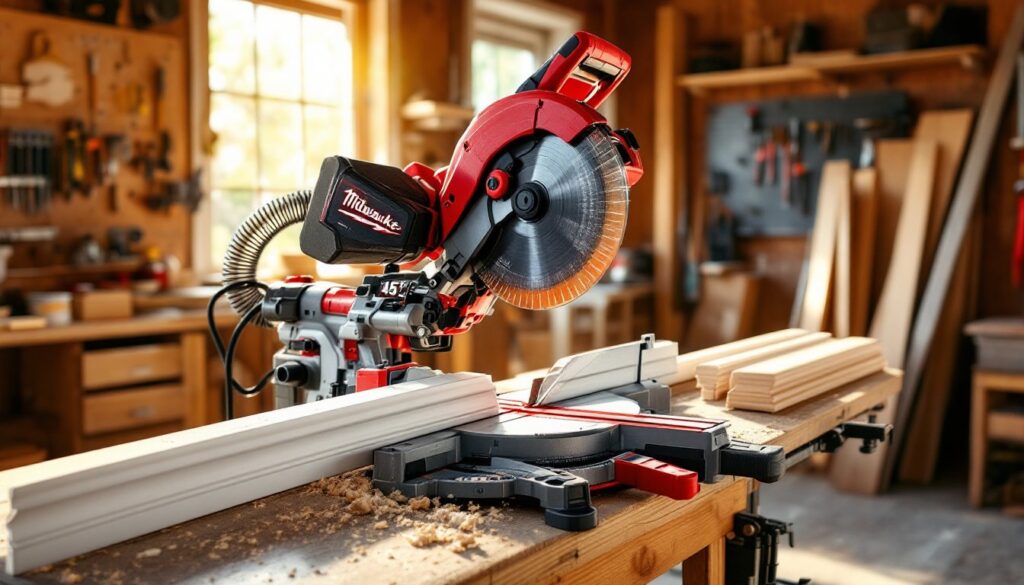
ToggleIf someone’s serious about trim work, framing, or any project that demands clean, repeatable angle cuts, a miter saw isn’t optional, it’s essential. Milwaukee’s miter saw lineup has earned a reputation among pros and weekend warriors alike for durability, precision, and power that doesn’t quit mid-cut. But with options ranging from compact 10-inch models to heavy-duty 12-inch sliding compound saws, choosing the right one can feel overwhelming. This guide walks through what makes Milwaukee miter saws worth the investment, which models fit different project types, and how to keep them running smooth for years.
Key Takeaways
- Milwaukee miter saws offer high-torque motors and LED shadow lines that deliver precision and durability for both DIYers and professionals tackling trim, framing, and finish carpentry.
- Choose between 10-inch models for trim work and compact projects or 12-inch sliding compound saws for wider crosscuts and heavy materials like deck posts and hardwood planks.
- Dual-bevel capability and quality positive stops are essential features that justify the investment, ensuring accurate compound cuts without repositioning workpieces.
- A Milwaukee miter saw excels at baseboard installation, deck building, and flooring cuts, where speed, repeatability, and square alignment beat other tools.
- Regular maintenance—including keeping the blade clean and sharp, lubricating sliding rails annually, and checking fence alignment every few months—preserves accuracy and extends the saw’s lifespan.
Why Milwaukee Miter Saws Stand Out for Home DIYers
Milwaukee builds tools designed to survive jobsite punishment, and that rugged DNA translates directly to reliability in a home workshop. Their miter saws feature high-torque motors that power through hardwoods and engineered lumber without bogging down, critical when cutting deck posts or stair stringers. The brand’s M18 Fuel cordless platform delivers brushless motor efficiency, meaning longer runtime per battery and less heat buildup during extended sessions.
Another standout feature: LED shadow lines on newer models. Instead of a single laser that requires calibration and batteries, dual LED lights cast shadows along the cut line, showing exactly where the blade will hit. It’s faster to set up and more accurate for bevel cuts. Milwaukee also invests in dust management, their saws include integrated dust ports that work with shop vacs, keeping the work area and sightlines clear. That matters when trimming 30 pieces of crown molding to the same angle.
The real differentiator is Milwaukee’s warranty and parts availability. They back their miter saws with a 3-year limited warranty, and replacement parts, blades, brushes, fence components, are stocked at major tool retailers. For a DIYer who plans to own a saw for a decade, that support infrastructure beats a bargain-bin option that becomes a paperweight the moment a fence screw strips out.
Top Milwaukee Miter Saw Models for Different Projects
Milwaukee’s current miter saw lineup spans three main categories, each suited to different workshop needs and budgets.
The Milwaukee 10 inch miter saw (both corded and M18 Fuel cordless versions) is the go-to for trim carpenters and finish work. It handles baseboard, crown molding, and picture frames with ease, and the smaller blade diameter means less weight, around 35 pounds for the corded model. That’s light enough to haul upstairs for a bedroom remodel without throwing out a back. The 10-inch models typically offer crosscut capacity up to about 6 inches at 90 degrees, sufficient for nominal 2×6 framing lumber.
For heavier material and wider cuts, the Milwaukee 12 miter saw delivers serious capacity. The Milwaukee miter saw 12 inch models can crosscut up to 8 inches at 90 degrees and around 5.5 inches at 45 degrees, making them the right choice for deck builders, fence installers, and anyone cutting 4×4 posts or wide hardwood boards. The 12-inch blade also provides more tooth contact per cut, reducing tear-out on veneered plywood and MDF.
When workspace is tight or portability matters, the Milwaukee M18 Fuel 10-inch Dual-Bevel Sliding Compound Miter Saw runs on the same battery platform as Milwaukee’s drills and impact drivers. One 12.0 Ah battery delivers around 600 cuts in 2×4 framing lumber, enough for most weekend projects without touching a cord. It’s ideal for roofing crews or anyone working on a deck far from an outlet.
Compound vs. Sliding Compound Miter Saws
Understanding the difference between compound and sliding compound models saves money and bench space. A standard compound miter saw pivots left and right for miter cuts (like the 45-degree corners on a picture frame) and tilts in one or both directions for bevel cuts (like the angled edge on crown molding). It’s compact and affordable, but crosscut width is limited to the blade diameter, typically 6 to 8 inches depending on the model.
A Milwaukee sliding miter saw adds horizontal rails that let the blade travel forward and backward, dramatically increasing crosscut capacity. A 12-inch sliding model can cut boards up to 12 inches wide in one pass, essential for cutting shelving, wide stair treads, or full-width hardwood planks. The tradeoff is size and weight: sliding saws need about 18 inches of clearance behind the fence and weigh 10 to 15 pounds more. For trim-only work, a non-sliding compound saw saves space and cash. For general carpentry, sliding compound-miter saws offer versatility worth the footprint.
Key Features to Look for in a Milwaukee Miter Saw
Not all features matter equally, and some marketed “upgrades” are sales gimmicks. Here’s what actually impacts accuracy and usability.
Dual-bevel capability lets the saw tilt left and right without flipping the workpiece. That’s a game-changer for crown molding, which requires compound cuts at opposing angles. Single-bevel saws force the user to reposition boards and recalculate angles, a tedious, error-prone process. For anyone doing more than basic crosscuts, dual-bevel justifies the extra $50 to $100.
Positive stops are preset detents at common angles, 0°, 15°, 22.5°, 31.6°, 45°, that click into place. Quality positive stops should lock firmly without wiggle: cheap detents allow micro-movements that throw cuts out of square. Milwaukee’s miter saws use machined steel detent plates that stay accurate through thousands of cuts. Always test the 0° and 45° stops with a square before the first cut: even factory-calibrated saws can shift during shipping.
Fence height and support determine how wide a board can stand upright against the saw. Milwaukee’s tall fences (typically 5.5 to 6.5 inches) accommodate 2×6 and 2×8 boards stood on edge, critical for cutting stair risers or joist headers. The fence should also have horizontal slots for mounting sacrificial backer boards, which prevent tear-out on the backside of cuts.
Motor power varies from 10 amps on compact cordless models to 15 amps on full-size corded saws. For hardwoods like oak or maple, a 15-amp motor maintains blade speed under load, reducing burn marks and blade binding. Cordless models sacrifice some peak power for portability: they’re fine for softwoods and plywood but can struggle with repetitive cuts in pressure-treated lumber or exotic hardwoods.
Dust collection on miter saws is notoriously poor across all brands, but Milwaukee’s integrated dust bags and 2.5-inch vacuum ports capture about 70% of sawdust when paired with a shop vac. That’s enough to keep the cut line visible and reduce cleanup time, though a standalone dust hood still beats any manufacturer’s built-in solution.
Common Projects Perfect for Your Milwaukee Miter Saw
A miter saw earns its bench space by making certain cuts faster, safer, and more accurate than any other tool. Here’s where it shines.
Baseboard and trim installation is the classic miter saw application. Crown molding requires compound miter cuts, angles in two planes simultaneously, that are nearly impossible to hand-cut accurately. The Milwaukee 10-inch and 12-inch models handle crown up to 6.5 inches nested (set upside-down against the fence at spring angle). For painters’ trim or simple casing, a non-sliding compound saw completes the job: for wide colonial-style baseboards or thick hardwood crown, sliding capacity prevents piecing together multiple cuts.
Deck and fence building relies on repetitive crosscuts and angled cuts for posts, rails, and pickets. A 12-inch saw crosscuts 4×4 posts in one pass at 90 degrees and can miter-cut them at 45 degrees with two passes (flip the post after the first cut). For deck framing that meets code, cuts must be square: a miter saw’s rigid fence and positive stops deliver that consistency better than a circular saw with a speed square.
Picture frames and small woodworking benefit from the precision of a miter saw’s adjustable stops and fine-tuning knobs. Milwaukee’s miter detents include half-degree adjustments for dialing in perfect 45-degree corners, and the LED shadow lines show both kerf edges, essential when cutting thin stock where a 1/8-inch error ruins the joint. A zero-clearance insert (a sacrificial piece of plywood or MDF fitted around the blade) prevents small offcuts from dropping into the blade slot and getting thrown.
Flooring and siding cuts require speed and repeatability. Installing 400 square feet of engineered hardwood means hundreds of crosscuts and angle cuts around doorways and transitions. A corded Milwaukee miter saw powers through laminate, engineered wood, and even fiber-cement siding (with a diamond blade) without overheating. Always wear safety glasses and a dust mask when cutting fiber cement: the silica dust is a respiratory hazard.
Stair stringers and structural lumber push a miter saw’s capacity limits. Cutting notches for stair treads requires precise 90-degree cuts that align across multiple stringers. A 12-inch Milwaukee saw handles nominal 2×12 boards (actual dimensions 1.5 x 11.25 inches), though cutting full depth may require two passes. For structural cuts that affect load-bearing capacity, verify local code requirements, some jurisdictions require engineered stringers or professional installation.
Maintenance Tips to Extend Your Saw’s Lifespan
Miter saws are low-maintenance compared to table saws or planers, but neglect kills accuracy and shortens motor life.
Keep the blade sharp and clean. A dull blade forces the motor to work harder, generating heat and reducing cut quality. Carbide-tipped blades can be resharpened 3 to 5 times by a professional sharpening service (typically $10 to $15 per blade). Between sharpenings, remove pitch buildup with a blade cleaner or oven cleaner: let it soak for 10 minutes, scrub with a brass brush, and rinse. Pitch accumulation increases friction and causes burn marks on hardwoods.
Lubricate sliding rails annually (for sliding models). Milwaukee’s rail systems use sealed ball bearings, but the slide tubes benefit from a thin coat of dry PTFE lubricant or paste wax. Avoid oil or grease, which attract sawdust and gum up over time. Wipe the rails clean, apply lubricant, then cycle the saw head back and forth several times to distribute it evenly.
Check and adjust the fence alignment every few months or after moving the saw. Place a combination square against the fence and blade (with the saw unplugged) and verify 90-degree alignment. If the fence has drifted, loosen the mounting bolts, adjust with shims or the built-in alignment screws, and retighten. A fence that’s out of square by even 1 degree creates gaps in miter joints that no amount of caulk can hide.
Clean dust ports and bags weekly during heavy use. Clogged dust collection reduces suction and lets fine particles infiltrate the motor housing. Tap out fabric dust bags and wash them periodically: replace disposable bags when they’re half full. For cordless models, remove the battery and blow out vents with compressed air to prevent overheating.
Store the saw with the blade lowered and locked. Leaving the spring-loaded blade arm in the up position stresses the return spring and can cause calibration drift. Many home maintenance guides recommend covering stationary tools with tarps or fitted covers to reduce dust accumulation, especially in basements or garages with poor air filtration.
Replace the blade insert when it becomes chewed up. A worn insert allows small offcuts to jam under the blade, creating kickback hazards. Replacement inserts cost $10 to $20 and take five minutes to swap.
Conclusion
Milwaukee’s miter saw lineup delivers the precision, power, and durability that serious DIYers need for trim, framing, and finish carpentry. Whether it’s a compact 10-inch model for baseboard or a sliding 12-inch saw for deck posts, matching the tool to the project ensures cleaner cuts and less frustration. With proper blade maintenance, regular calibration checks, and attention to dust management, a Milwaukee miter saw becomes a workshop cornerstone that handles thousands of cuts across decades of projects.